
Finding the perfect ride can transform your time on the trails. Whether you are a newcomer eager to learn or a seasoned pro looking for a nimble upgrade, choosing the right equipment is essential for your success.
This guide explores the top options currently available for every style of riding. From competitive cross-country racing to aggressive trail adventures, we cover the machines that deliver unmatched performance and reliability.
We understand that selecting a new hardtail requires careful thought. Our goal is to provide the insights you need to make an informed decision about your next mountain machine. Let us help you find the perfect set of bikes to elevate your outdoor experience today.
Key Takeaways
- Understand the differences between cross-country and trail-focused frames.
- Learn how to match your skill level with the right components.
- Discover why simplicity often leads to a more rewarding ride.
- Identify which features provide the most value for your budget.
- Gain confidence in your purchase through expert-backed advice.
Understanding the Appeal of Modern Hardtails
If you think hardtails are just for beginners, you might be missing out on the most engaging ride experience available today. Modern hardtail mountain bikes have undergone a remarkable transformation that keeps them relevant in our high-tech cycling world. These machines offer a unique blend of simplicity and efficiency that many riders find refreshing.
By removing the rear shock, manufacturers create bikes that are significantly lighter and easier to maintain. This design choice appeals to riders who prioritize mechanical reliability over complex suspension systems. You spend less time in the workshop and more time enjoying the trails.
The absence of a rear pivot point also ensures direct power transfer with every pedal stroke. When you stand up to climb or sprint, the bike responds instantly to your input. This efficiency is a major reason why many enthusiasts still prefer the rigid rear end for their daily rides.
Beyond the technical specs, there is a raw, unfiltered trail feedback that only a hardtail can provide. You feel every bump and texture of the terrain, which forces you to choose your lines with greater precision. This challenge makes every successful ride feel like a true accomplishment.
The Best Hardtail Mountain Bikes for Competitive Racing
When the race clock starts, having the right machine beneath you makes all the difference. Competitive cross-country racing demands a bike that offers uncompromising power transfer and precise handling. The market is filled with options, but few capture the essence of speed quite like the merida big.nine tr 8000.
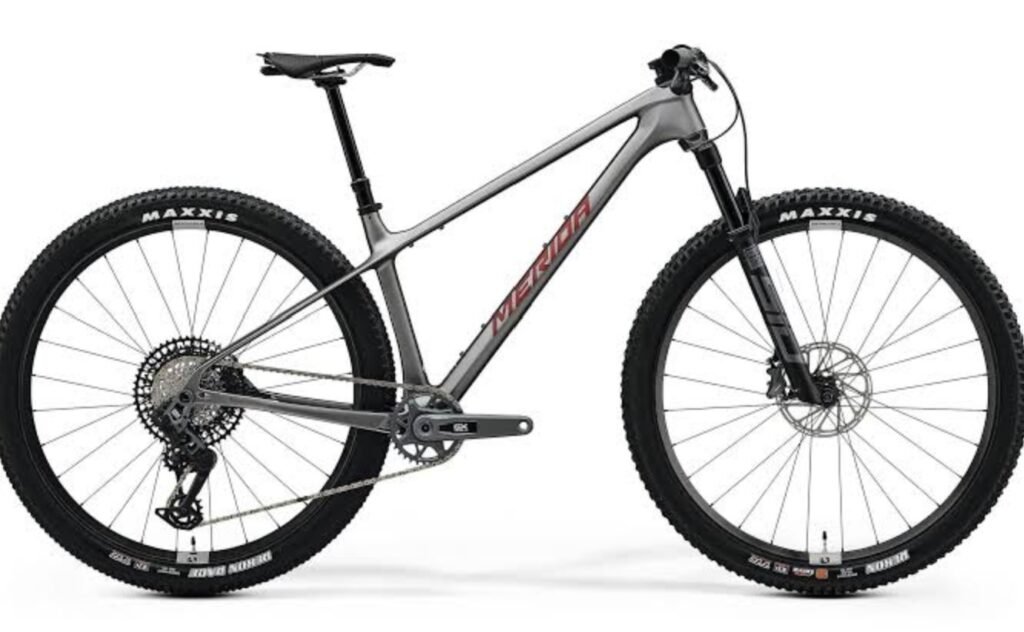
Merida Big.Nine TR 8000
This model is engineered specifically for riders who demand speed and precision on technical race courses. It serves as a benchmark for those who prioritize climbing efficiency without sacrificing the ability to navigate tight, twisty trails.
Overview
The merida big.nine tr 8000 features a lightweight carbon frame designed to maximize pedaling efficiency. It maintains enough compliance to handle rough terrain, ensuring that the rider stays fresh during long, grueling events.
Pros
- Exceptional power-to-weight ratio for rapid acceleration.
- Race-ready geometry that inspires confidence on steep climbs.
- High-end component selection that withstands intense race conditions.
Cons
- The aggressive geometry may feel twitchy to less experienced riders.
- Limited suspension travel compared to full-suspension alternatives.
- Requires a high level of technical skill on very rocky descents.
Key Features
The merida big.nine tr 8000 utilizes a modern carbon layup that balances stiffness and vibration damping. Its geometry is optimized for aggressive XC racing, placing the rider in an efficient position to put power down. With top-tier components, this bike is built to perform at the highest level of competition.
Top-Tier Performance for XC Enthusiasts
If you are ready to elevate your racing game, it is time to look at the pinnacle of modern hardtail engineering. Competitive riders require equipment that translates every watt of power into forward motion while maintaining control over technical terrain. The trek procaliber 9.7 axs gen 3 is designed specifically to meet these high-stakes demands.
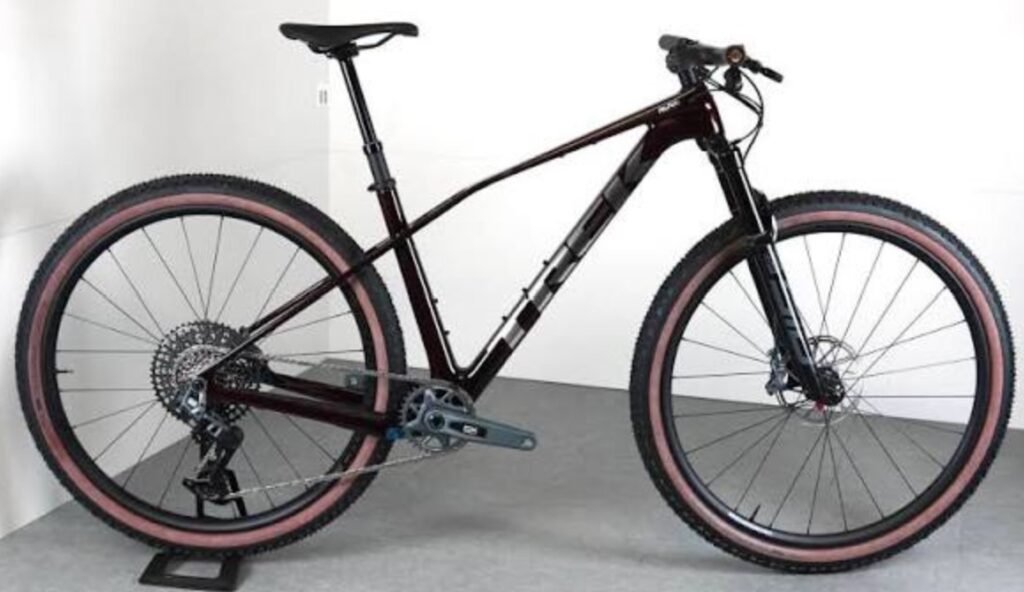
Trek Procaliber 9.7 AXS Gen 3
Overview
The trek procaliber 9.7 axs gen 3 represents a massive leap forward in cross-country design. It utilizes advanced carbon frame technology to dampen harsh trail vibrations, which helps reduce rider fatigue during long endurance events. This bike effectively balances extreme weight savings with the structural integrity needed for aggressive racing.
Pros
- Electronic shifting provides crisp, reliable gear changes in any condition.
- Advanced frame geometry offers a stable yet responsive ride.
- Lightweight construction allows for rapid climbing and acceleration.
Cons
- The premium price point may be a barrier for casual riders.
- Electronic components require consistent battery management.
Key Features
This machine is packed with high-end components that justify its status as a top-tier racer. Below is a breakdown of the technical specifications that define this model.
| Feature | Specification | Benefit |
|---|---|---|
| Frame Material | OCLV Mountain Carbon | Lightweight and durable |
| Drivetrain | SRAM GX Eagle AXS | Precise electronic shifting |
| Vibration Damping | IsoBow Technology | Increased rider comfort |
| Wheel Size | 29-inch Tubeless Ready | Superior rollover capability |
Premium Engineering and Trail Versatility
When you demand the absolute best in mountain bike engineering, the pivot les sl 29 pro xt/xtr stands out as a true masterpiece. This machine is designed for riders who want to dominate race tracks while maintaining the ability to handle technical singletrack with ease.
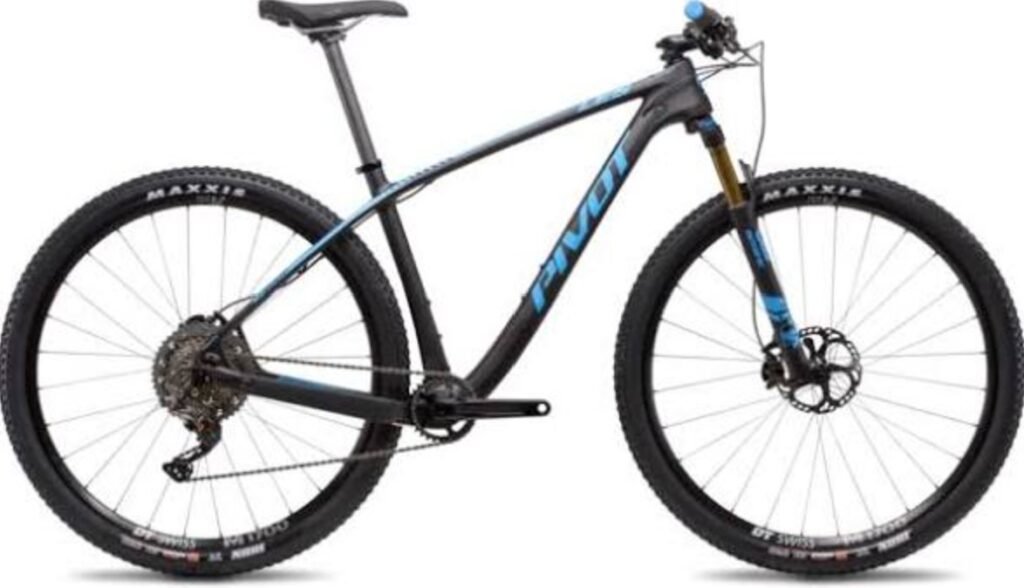
Pivot LES SL 29 Pro XT/XTR
Overview
The pivot les sl 29 pro xt/xtr utilizes high-modulus carbon construction to achieve an incredibly stiff yet responsive ride. It provides the perfect platform for those who want to push their limits on every climb and descent. You will find that this bike feels agile, fast, and remarkably stable under pressure.
Pros
- Ultra-lightweight carbon frame for rapid acceleration.
- Exceptional power transfer due to high-modulus materials.
- Versatile geometry that excels in both racing and trail riding.
Cons
- The premium price point may be out of reach for some riders.
- Requires a high level of skill to fully exploit its aggressive nature.
Key Features
This model features a top-tier drivetrain that ensures crisp shifting in all conditions. The component selection is curated for durability and performance, making it a favorite for serious enthusiasts. Every detail, from the frame geometry to the wheelset, is optimized for maximum efficiency.
| Feature | Specification | Benefit |
|---|---|---|
| Frame Material | High-Modulus Carbon | Lightweight & Stiff |
| Drivetrain | Shimano XT/XTR Mix | Precise Shifting |
| Wheel Size | 29-inch | Superior Rollover |
| Intended Use | XC Racing/Trail | Versatile Performance |
Steel Frame Durability and Trail Geometry
For riders seeking a bike that balances rugged strength with modern geometry, steel is often the perfect answer. Many enthusiasts prefer the natural vibration damping of a steel frame, which provides a smoother ride over rough terrain compared to stiffer materials. This classic material choice ensures that your investment remains reliable through years of heavy trail use.
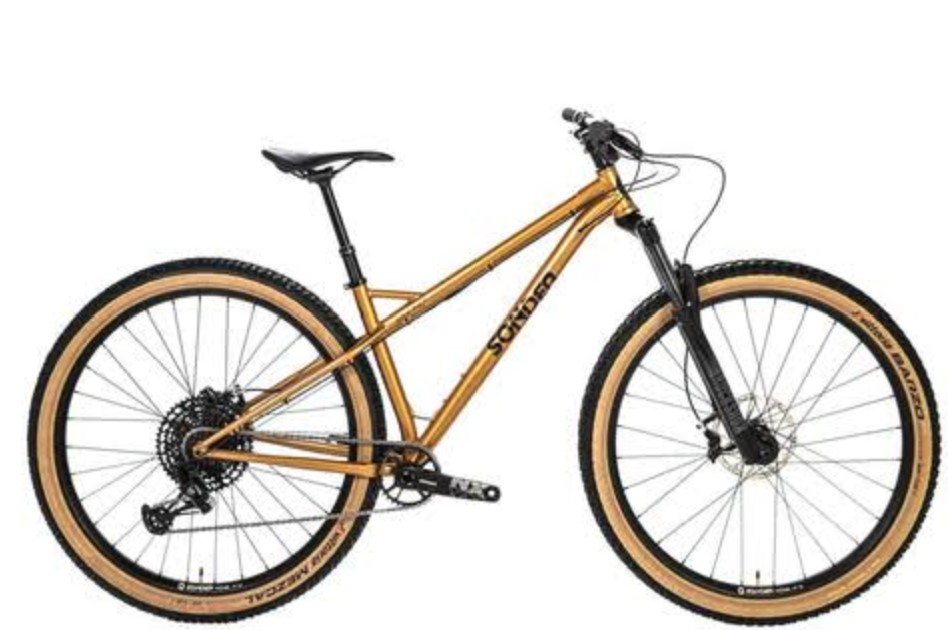
Sonder Signal ST NX
Overview
The sonder signal st nx stands out as a premier choice for those who prioritize a robust build. It features a carefully crafted steel frame designed to handle the rigors of aggressive trail riding. By combining traditional materials with progressive geometry, this bike offers exceptional stability on steep descents while maintaining agility during technical climbs.
Pros
- Unmatched durability that withstands years of abuse.
- Modern geometry tuned for confidence on technical trails.
- High-quality steel construction provides a compliant and comfortable ride feel.
Cons
- Steel frames are generally heavier than aluminum or carbon alternatives.
- Requires consistent maintenance to prevent rust and corrosion.
Key Features
The sonder signal st nx comes equipped with a reliable drivetrain and components suited for diverse trail conditions. Its design philosophy focuses on longevity and performance, making it a favorite for riders who want a bike that feels as good on day one as it does years later.
Reliable Trail Riding for Every Budget
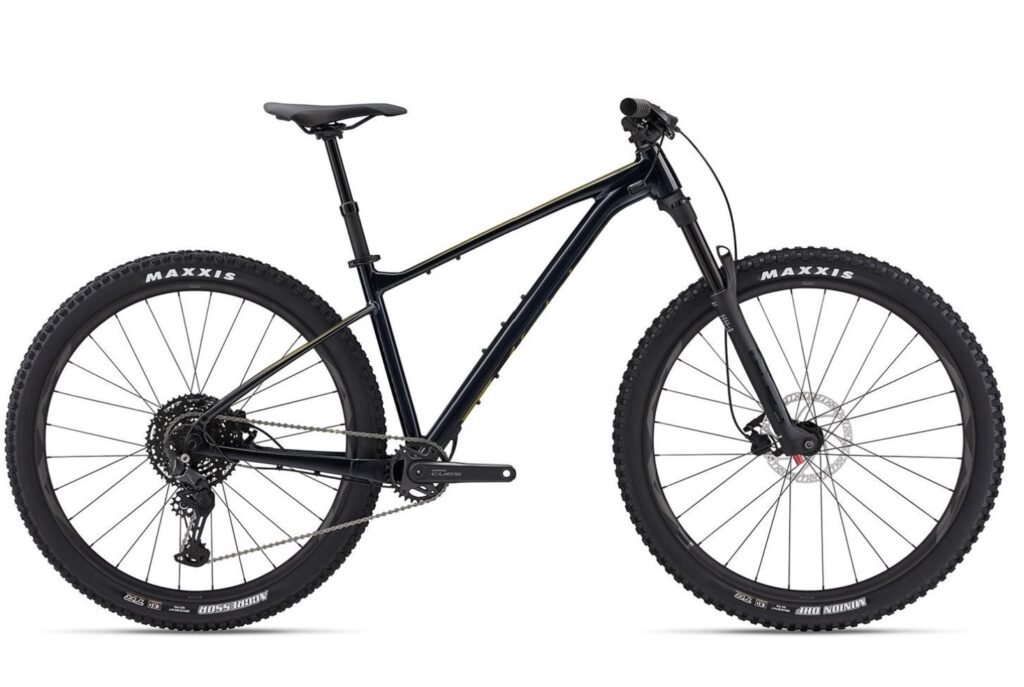
When it comes to trail-ready performance on a budget, few bikes capture the spirit of adventure like the giant fathom 29 2. This model has earned a reputation as a go-to choice for riders who want a capable machine without the premium price tag.
Giant Fathom 29 2
Overview
The giant fathom 29 2 is designed for those who love exploring local trails on the weekend. It features a lightweight aluminum frame that provides a responsive and stable ride across various terrains. By combining a modern geometry with a reliable suspension fork, it handles roots and rocks with impressive ease.
Pros
- Excellent value for the price point.
- Stable handling on technical trail sections.
- Durable frame construction built for longevity.
Cons
- The overall weight is slightly higher than carbon alternatives.
- Stock components may require upgrades for aggressive racing.
Key Features
This bike is packed with features that make it a standout in its class. The giant fathom 29 2 comes equipped with a smooth-travel suspension fork that absorbs harsh impacts effectively. Additionally, the wide-range drivetrain ensures you can tackle steep climbs and fast descents with confidence.
Entry-Level Excellence for Aspiring Riders
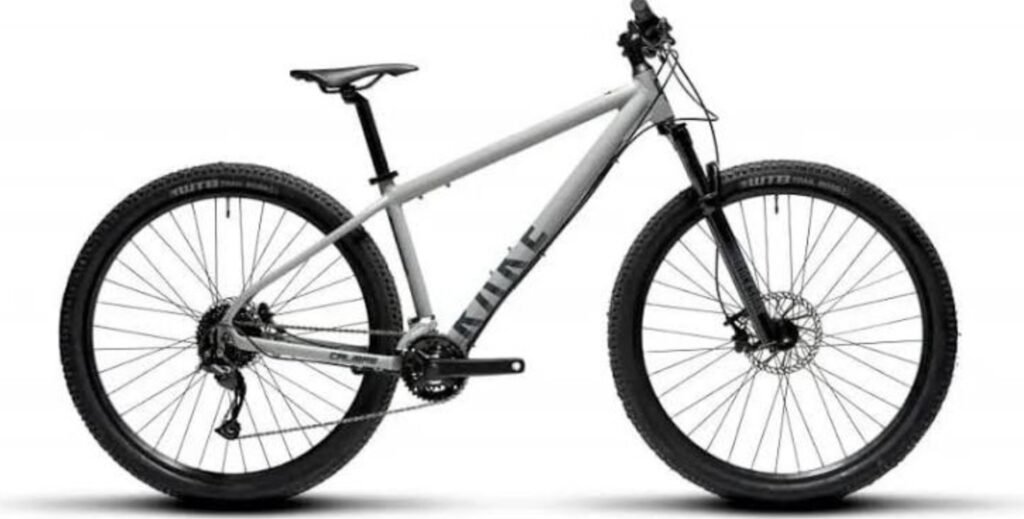
Starting your mountain biking journey requires a bike that balances performance with affordability. Many newcomers feel intimidated by the high costs of professional gear, yet quality options exist for those just beginning to explore the dirt. The calibre rake 29 serves as a perfect example of how engineering can bridge the gap between budget constraints and trail-ready capability.
Calibre Rake 29
Overview
The calibre rake 29 is specifically engineered to provide a stable and forgiving platform for novice riders. By utilizing 29-inch wheels, the bike rolls over roots and rocks with ease, which helps beginners maintain momentum. This design choice significantly boosts rider confidence when navigating technical sections of local trails.
“The best bike for a beginner is one that encourages them to ride more often, providing comfort and reliability without unnecessary complexity.”
— Trail Riding Enthusiast
Pros
One of the primary advantages of this model is its exceptional value for money. It offers a geometry that feels natural for those transitioning from road or hybrid bikes. Furthermore, the large wheel size provides a smooth ride, effectively dampening the vibrations of rough terrain.
Cons
While the calibre rake 29 is a fantastic starter, it does come with some limitations. The overall weight is higher than premium carbon alternatives, which can make steep climbs feel more demanding. Additionally, the entry-level components may require more frequent adjustments as you progress into more aggressive riding styles.
Key Features
Understanding the technical specifications helps you see why this bike remains a popular choice for beginners. The following table outlines the core components that define the riding experience.
| Feature | Specification | Benefit |
|---|---|---|
| Wheel Size | 29 Inches | Improved rollover and stability |
| Frame Material | Aluminum Alloy | Durable and lightweight |
| Drivetrain | Wide-range 1x | Simplified shifting mechanics |
| Braking System | Hydraulic Disc | Reliable stopping power |
High-Value Options for Aggressive Trail Use
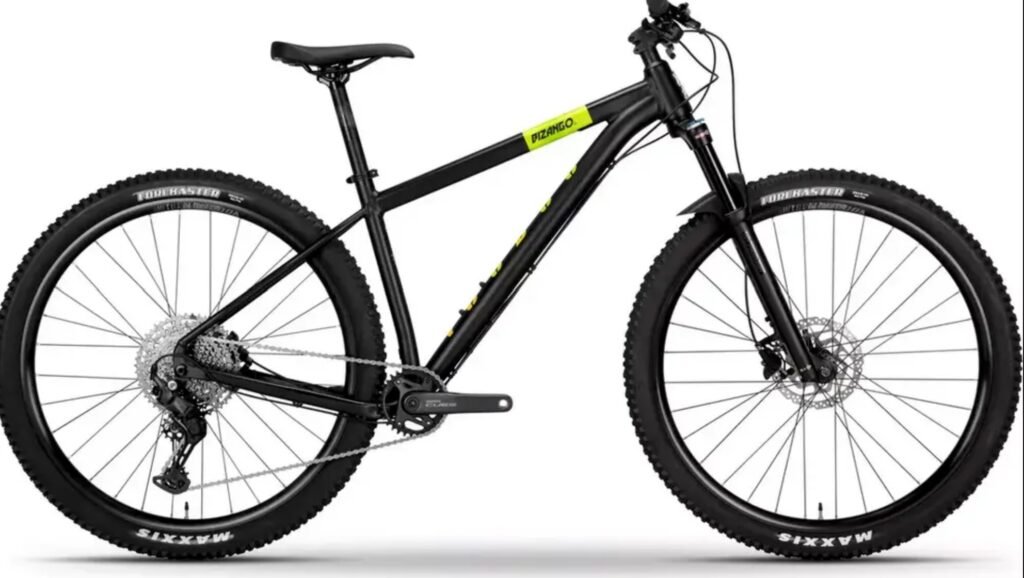
If you want to push your limits on technical terrain while staying on a budget, the carrera fury is a top contender. This bike proves that you do not need a full-suspension rig to enjoy steep, challenging trails. It is designed specifically for riders who prioritize fun and skill development over high-end price tags.
Carrera Fury
Overview
The carrera fury features a geometry optimized for stability on steep descents. By focusing on a slack head angle and a sturdy frame, it allows riders to tackle technical sections with confidence. It serves as an excellent platform for those looking to refine their handling skills without the complexity of rear suspension.
Pros
- Exceptional value for the performance provided.
- Geometry inspires confidence on technical descents.
- Durable frame construction handles rough trail abuse.
Cons
- The overall weight is higher than premium carbon alternatives.
- Stock components may require upgrades for long-term racing.
Key Features
This model comes equipped with a long-travel air fork that soaks up trail chatter effectively. The carrera fury also utilizes a modern 1x drivetrain, which simplifies shifting and reduces chain drop issues. These design choices ensure the bike punches well above its weight class during aggressive rides.
| Feature | Specification | Benefit |
|---|---|---|
| Frame Material | Aluminum | Durability |
| Fork Travel | 140mm | Impact Absorption |
| Drivetrain | 1x System | Reliable Shifting |
| Tire Clearance | Wide | Better Traction |
Versatile All-Mountain Hardtail Capabilities
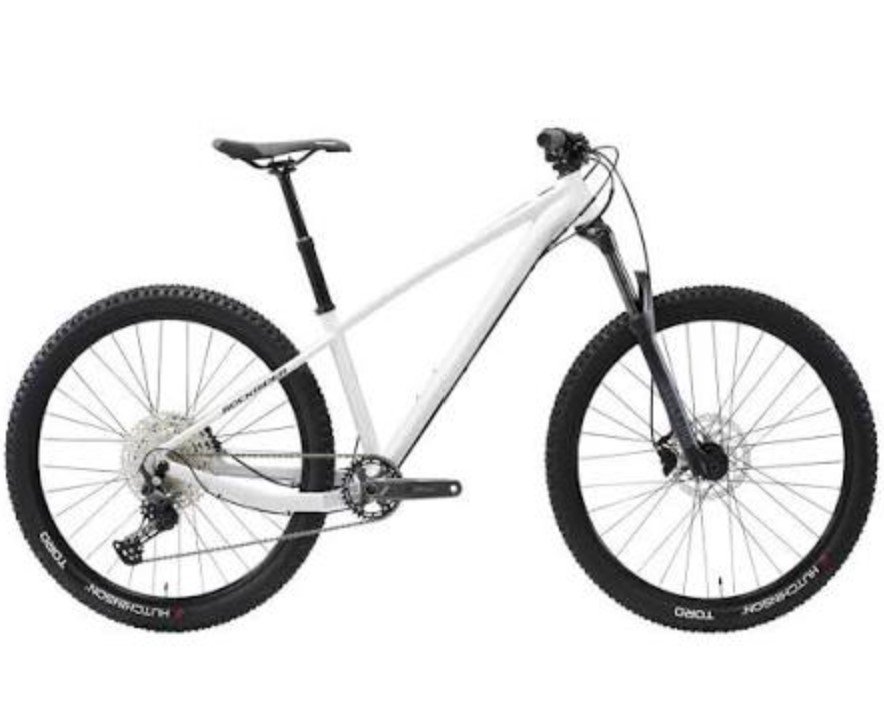
If you believe that rear suspension is the only way to conquer aggressive terrain, think again. The modern market is shifting, and bikes like the rockrider am 100 are proving that a well-designed hardtail can handle much more than just fire roads.
Rockrider AM 100
This machine bridges the gap between traditional cross-country speed and the rugged demands of enduro riding. It is a testament to smart engineering, allowing riders to tackle technical rock gardens and steep descents with confidence.
“The best bike is the one that makes you want to ride harder, regardless of how many shocks it has.”
— Anonymous Trail Enthusiast
Overview
The rockrider am 100 is designed for those who crave a direct connection to the trail. Its geometry is specifically tuned for stability, featuring a slack head angle that keeps the front wheel planted during steep drops. It is truly a versatile tool for the aggressive rider.
Pros
- Excellent value for the level of componentry provided.
- Robust frame construction handles jumps and drops with ease.
- Slack geometry offers high-speed stability on technical descents.
Cons
- The rigid rear end requires more active body movement on rough terrain.
- Heavier than dedicated lightweight cross-country race bikes.
Key Features
The rockrider am 100 comes equipped with a high-performance fork and a drivetrain built for reliability. Below is a breakdown of why this bike stands out in the all-mountain category.
| Feature | Benefit |
|---|---|
| Slack Head Angle | Increased confidence on steep, technical descents. |
| Robust Frame | Durability for jumps and aggressive trail use. |
| Wide Tires | Enhanced grip and traction on loose surfaces. |
By focusing on geometry and component strength, this bike offers a unique experience. It is a bold choice for riders who prefer the simplicity of a hardtail but refuse to compromise on terrain capability.
Key Factors to Consider When Choosing a Hardtail
When you start searching for the best hardtail mountain bikes, it helps to have a clear plan. Your local terrain and personal riding style are the most important starting points for any decision. Taking the time to evaluate these details will save you frustration later on.
Consider the type of trails you frequent most often. If you enjoy smooth, flowy singletrack, a lightweight frame might be your top priority. However, if you tackle rocky, technical descents, you should look for a bike with more aggressive geometry.
Frame material and wheel size are also critical components of the best hardtail mountain bikes. Aluminum frames offer a great balance of weight and cost, while carbon fiber provides a stiffer, more responsive ride. You must also decide between 27.5-inch wheels for agility or 29-inch wheels for better rollover capability.
Component quality directly impacts how your bike handles under pressure. Look for reliable drivetrain systems and powerful hydraulic disc brakes to ensure your safety. Investing in quality parts often leads to a smoother experience and less time spent in the repair shop.
Finally, always keep your budget in mind while browsing the best hardtail mountain bikes. It is often better to choose a high-quality frame with entry-level components that you can upgrade over time. Finding the right balance ensures you get the most value for your hard-earned money.
Comparing Frame Materials: Aluminum vs. Carbon vs. Steel
Every mountain bike frame material offers a unique personality that shapes how you interact with the trail. The foundation of your ride is determined by the metal or composite used to build the chassis. Understanding these differences helps you match your bike to your specific riding goals.
Aluminum remains the most popular choice for many riders due to its excellent balance of cost and performance. It is prized for its high stiffness, which ensures that your pedaling energy transfers efficiently to the rear wheel. This makes it a fantastic option for those who want a responsive bike without breaking the bank.
For riders seeking the ultimate in performance, carbon fiber is the gold standard. This material allows engineers to fine-tune the frame to be incredibly light while providing superior vibration damping. By absorbing small trail chatter, carbon frames help reduce rider fatigue during long, grueling days in the saddle.
“The beauty of a well-crafted frame is that it disappears beneath you, leaving only the connection between the rider and the dirt.”
Steel offers a completely different experience that many enthusiasts find addictive. It is famous for its natural springy feel, which provides a level of comfort that is hard to replicate with other materials. Furthermore, steel is renowned for its exceptional longevity, making it a classic choice for riders who want a bike that lasts for decades.
| Material | Primary Benefit | Best For |
|---|---|---|
| Aluminum | Affordability | Budget-conscious racers |
| Carbon Fiber | Weight Reduction | Competitive XC riders |
| Steel | Durability | Long-term trail enthusiasts |
Ultimately, your choice depends on what you value most on the trail. Whether you prioritize the stiffness of aluminum, the lightweight nature of carbon, or the timeless durability of steel, each material provides a distinct way to enjoy the mountains.
The Importance of Geometry in Modern Hardtails
Geometry is the secret sauce that makes modern hardtails feel like entirely different bikes on the trail. In the past, these bikes were often twitchy and difficult to manage on steep, technical terrain. Today, engineers have completely reimagined the frame layout to prioritize stability and control.
The most significant change involves moving toward slacker head tube angles. By pushing the front wheel further out, the bike becomes much more composed when you hit high speeds or rough sections. This design choice prevents that nervous feeling that riders used to experience when pointing their bikes downhill.
Alongside slacker angles, manufacturers have increased the reach of their frames. A longer reach provides a more spacious cockpit, which helps keep your weight centered between the wheels. This adjustment significantly boosts rider confidence, especially when navigating tight corners or loose rock gardens.
These geometric updates offer several key advantages for the modern mountain biker:
- Increased Stability: Slacker angles keep the bike tracking straight through rough, high-speed sections.
- Better Climbing Efficiency: Steeper seat tube angles place the rider in a more powerful position for pedaling uphill.
- Improved Handling: A longer wheelbase provides a planted feel that makes technical maneuvers much more predictable.
- Enhanced Safety: The combination of these factors allows you to tackle steeper terrain without feeling like you might go over the bars.
It is important to note that these changes do not sacrifice the snappy feel that riders love about hardtails. By balancing a longer front end with shorter chainstays, designers ensure the bike remains agile and responsive. You get the best of both worlds: the efficiency of a rigid rear end and the capability of a modern trail machine.
Suspension Travel and Its Impact on Ride Quality
Choosing the right suspension travel can transform your ride from a bumpy struggle into a smooth adventure. The amount of travel in your front fork plays a massive role in how your bike feels under pressure. It acts as the primary buffer between your body and the harsh realities of the trail.
Short travel forks, typically ranging from 80mm to 100mm, are the gold standard for cross-country racing. These setups prioritize efficiency and speed on smooth, predictable surfaces. By keeping the front end low and stiff, you can climb steep hills with minimal energy loss.
If your passion lies in aggressive trail riding or technical descents, you should look for longer travel options. Forks with 130mm to 150mm of travel provide the extra cushion needed to absorb large impacts. This added depth helps maintain traction when the ground gets loose or rocky, giving you more confidence to push your limits.
Finding the perfect balance depends entirely on the terrain you frequent most often. A bike that is too stiff will feel harsh on rough trails, while one with too much travel might feel sluggish on flat, fast paths. Consider the following breakdown to help you decide which setup fits your riding style best.
| Riding Style | Travel Range | Primary Benefit | Best Terrain |
|---|---|---|---|
| Cross-Country | 80mm – 100mm | Maximum Efficiency | Smooth Dirt Paths |
| Trail Riding | 110mm – 130mm | Balanced Versatility | Mixed Forest Trails |
| Aggressive Trail | 140mm – 160mm | Impact Absorption | Technical Descents |
Maintenance Tips for Keeping Your Hardtail Trail-Ready
A well-maintained mountain bike is your best friend when you are miles away from the trailhead. Regular care ensures that your hardtail remains safe and reliable throughout the entire riding season. By performing simple checks, you can avoid unexpected mechanical failures during your weekend adventures.
Consistency is the key to longevity. You do not need to be a professional mechanic to keep your bike running smoothly. A few minutes spent in the garage can prevent costly repairs and keep your components performing at their peak.
“The best way to ensure a great ride is to make sure your bike is ready before you even leave the house.”
Start your routine by checking your tire pressure before every single ride. Proper inflation protects your rims from damage and provides the best possible traction on loose terrain. Always inspect your sidewalls for any signs of wear or cracking that might lead to a flat.
Next, focus on your drivetrain to keep your shifting crisp and quiet. Use a high-quality degreaser to remove grit and grime from your chain, then apply a fresh coat of lubricant. A clean drivetrain reduces friction and significantly extends the life of your cassette and chainrings.
Finally, never overlook your braking system. Regularly inspect your brake pads to ensure they have enough material left to stop you safely on steep descents. If you notice a spongy feel at the lever, it is likely time to bleed your hydraulic lines or adjust your cable tension.
Following these simple steps will keep your hardtail in excellent condition for years to come. Treat your bike with care, and it will reward you with countless miles of trail-shredding performance.
Conclusion
Selecting the right bicycle transforms every trip into a memorable journey. The best hardtail mountain bikes offer a unique blend of efficiency and direct trail feedback that keeps riders connected to the dirt.
Your choice depends on how you balance performance goals against your budget. Whether you prefer the lightweight agility of a carbon frame or the rugged reliability of steel, the market provides options for every skill level. Brands like Trek, Merida, and Giant continue to push boundaries in design and component integration.
Take time to test different geometries to see what fits your riding style. A well-chosen machine makes steep climbs feel easier and technical descents more controlled. Investing in the best hardtail mountain bikes ensures you have a capable partner for years of exploration.
Share your favorite trail experiences with your local riding community. Engaging with other cyclists helps you learn about new gear and local routes. Grab your helmet and head out to enjoy the freedom that comes with a quality mountain bike.
FAQ
Why should I choose a hardtail mountain bike over a full-suspension model?
Many riders prefer hardtail mountain bikes because they offer a unique blend of simplicity, efficiency, and raw trail feedback. By removing the rear shock, bikes like the Giant Fathom 29 2 become lighter and significantly easier to maintain. This setup is perfect for those who value mechanical reliability and a more direct transfer of power when pedaling uphill or on flat terrain.
Which hardtail is best for competitive cross-country racing?
For high-stakes racing, the Merida Big.Nine TR 8000 and the Trek Procaliber 9.7 AXS Gen 3 are standout choices. The Merida is engineered for speed and precision on technical courses, while the Trek utilizes advanced frame technology to dampen vibrations, helping you stay fresh during endurance events. If you are looking for premium engineering, the Pivot LES SL 29 Pro XT/XTR offers a stiff, responsive ride that excels on the race track.
Are there affordable options for riders just getting started?
Absolutely! The Calibre Rake 29 is specifically designed to introduce new riders to the sport without a massive investment, providing a stable platform to build confidence. Another excellent high-value option is the Carrera Fury, which features geometry optimized for aggressive trail use, allowing beginners to develop technical skills on steeper descents without needing a more expensive full-suspension bike.
How does the frame material affect the ride quality of a hardtail?
Frame material plays a huge role in how a bike feels. Carbon fiber, found on the Pivot LES SL 29 Pro XT/XTR, is prized for being lightweight and dampening trail chatter. Aluminum is a stiff and affordable favorite, while Steel, used in the Sonder Signal ST NX, is loved for its “springy” ride feel and incredible durability for long-term trail use.
Can a hardtail handle technical all-mountain terrain and jumps?
Yes, modern “hardcore” hardtails are more capable than ever. The Rockrider AM 100 is built with a slack head angle and robust components specifically to handle jumps, drops, and technical rock gardens. It bridges the gap between traditional cross-country bikes and enduro machines, proving you don’t always need rear suspension to tackle challenging trails.
What should I look for in modern hardtail geometry?
You should look for slacker head angles and longer reaches, which provide much more stability at high speeds. These design choices, prominent in bikes like the Sonder Signal ST NX, allow you to tackle much steeper and more technical terrain with confidence compared to older, more traditional hardtail designs.
How much suspension travel do I need for my hardtail?
It depends on your riding style. Shorter travel is generally better for cross-country racing efficiency, while longer travel forks are preferred for aggressive trail riding. For example, a versatile bike like the Giant Fathom 29 2 provides enough travel to handle roots and rocks comfortably for the average weekend warrior.
What are some basic maintenance tips to keep my hardtail trail-ready?
Keeping your bike in top shape is easy but essential. Always check your tire pressure, clean and lubricate your drivetrain, and inspect your brake pads for wear. For bikes with advanced components, like the electronic shifting on the Trek Procaliber 9.7 AXS Gen 3, ensure your batteries are charged so you never miss a gear during a ride.